Real Food. Grown Wild.
Cattle, sheep, and laying hens on 50 acres of healing ground in Hadley Township, Michigan. Lamb and eggs first to market, and beef close behind.
Our next harvest. Four lambs. November 4, 2026.
Every share comes with something no grocery store can offer: your animal's entire life, verified.
How we raise them
Fresh ground, constantly
Small paddocks, moved every 1-3 days. The flock always eats the best of the sward and never stands in yesterday's mess.
Long rest heals land
Every paddock's recovery is measured, not guessed. This season's regrazes have rested five to six weeks, stretching longer as growth slows into fall. That honest rest is how tired hay fields become deep-rooted pasture again.
Multi-species, low stress
Cattle, sheep, and poultry run in sequence, with guardian dogs living alongside the flock. Calm animals, no routine synthetics.
Leave the ground better than we found it.
Adaptive multi-paddock grazing is the engine: the whole herd on a small paddock for a day or three, eating the best, trampling the rest, then gone. That ground gets honest, measured rest before anything bites it again. It's how prairies were built, and it's how tired hay fields become deep-rooted pasture. No routine synthetics anywhere in the system: we feed the soil biology, and the biology feeds the grass.
On-contour earthworks
Swales dug on contour catch hard rain and soak it into the hillside instead of losing it down the ditch. The first line is in; more follow as the silvopasture takes shape.
Bale grazing
Winter hay is fed right out on pasture. What the herd doesn't eat becomes mulch, seed bank, and worm food. Fertility lands exactly where the land needs it.
Compost teas & ferments
We brew aerated compost teas and fermented plant extracts on-farm and spray them back over the paddocks, feeding the microbes that feed the grass.
Hoof-planted diversity
Seed goes out ahead of a graze; hooves press it in, manure and trampled grass tuck it over. New species establish without ever pulling a plow.
We keep score: soil tests, infiltration after hard rain, earthworm counts, photos from fixed points. Every number lands in Yester & Morrow beside the grazing record.
Independently verified environmental stewardship across the Farmstead, Cropping, and Livestock systems.
One farm, three species, and a build order.
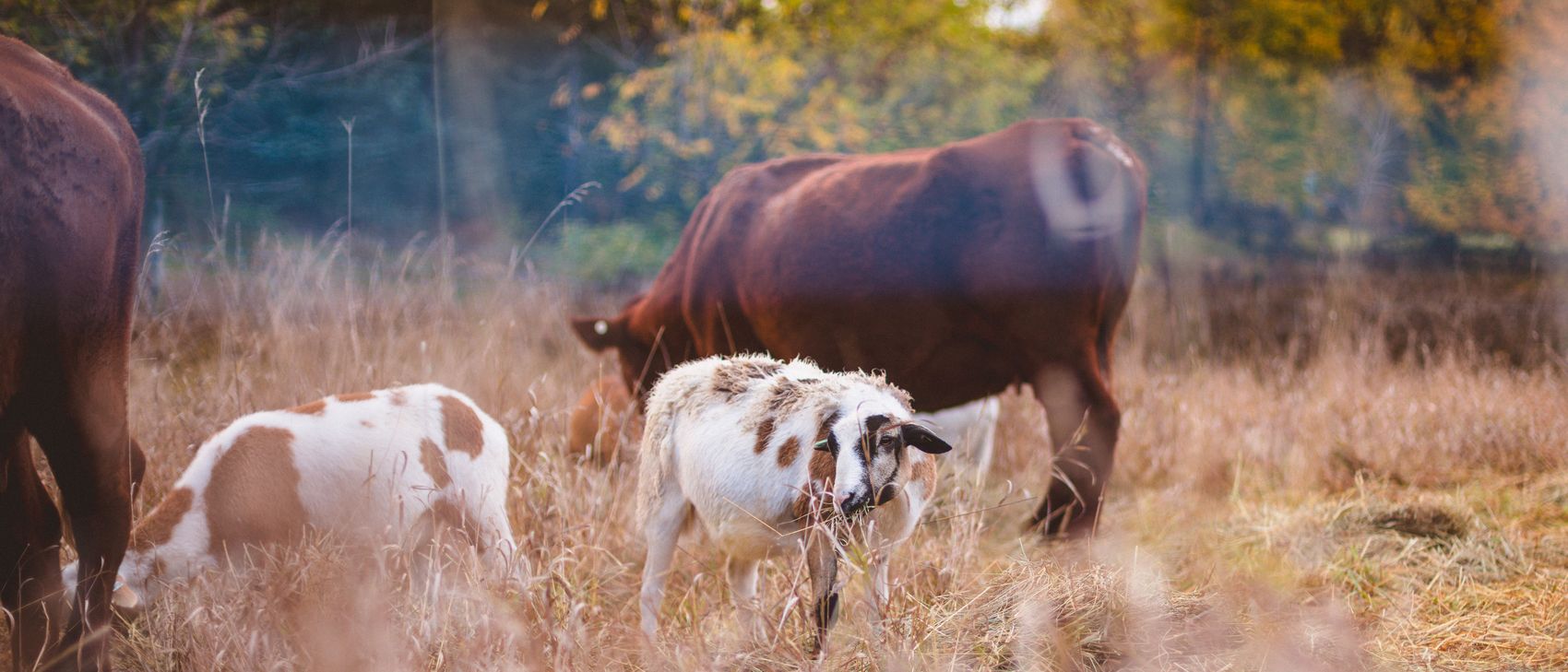
The system works because the species work together: cattle build the pasture, sheep refine it, and the laying flock cleans up behind them both. Sheep and eggs reach your table first. Beef is close behind.
Beef
HERD BUILDING · SHARES TO FOLLOWThe cow herd does the heavy lifting out here: big grazing pressure, big fertility, deep recovery. They're building the ground everything else stands on. Beef shares open when the herd is ready, and share families get first call.
Meet the herd →Lamb
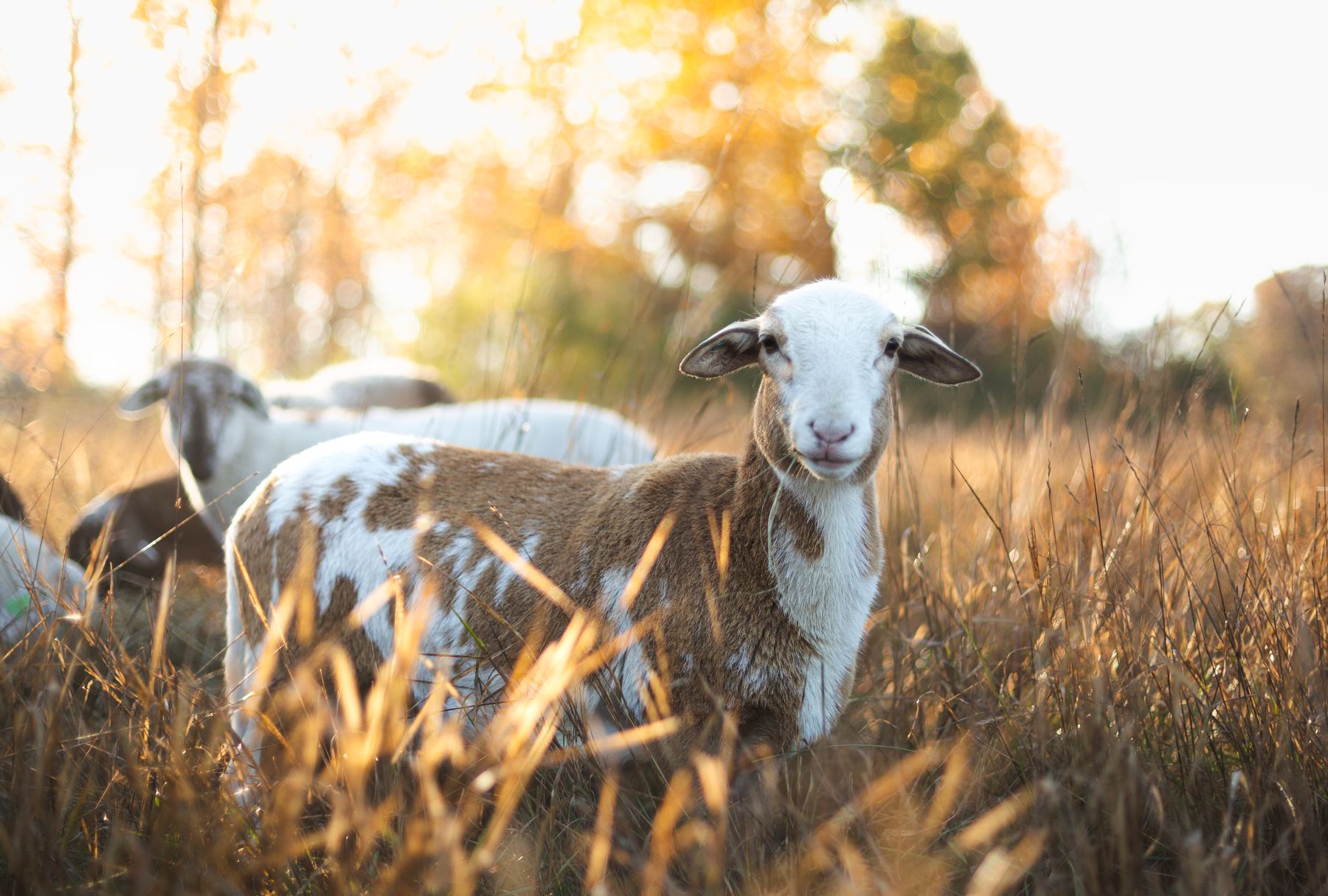
LATE FALL HARVEST · NOV 4Four lambs raised on 19-species pasture and harvested with respect, right here on the ground they know. Born here: no hormones, no grain, no soy, and when an animal needs care, it gets it, written into its passport. Share families get first call on everything that follows.
Meet the sheep →Eggs
SHARES LIVEThe flock ranges the pastures freely, scattering manure, breaking pest cycles, turning pasture bugs into the deepest-orange yolks around. One, two, or three dozen a week. Your call.
See the egg shares →Every lamb comes with its life story.
Scan the QR on any package from your share and meet your animal: its ground, its moves, its whole season, straight from our working records. Nothing here is a mockup. The passports below are the real farm, updating as we move. Photos, diets, and tasting notes are being written in as harvest approaches.
Open his passport and you're reading this morning's farm: every paddock he's walked this season, mapped and dated from the working record.
Open Cliff's living passport →Eggs every week, and the flock's story on every carton.
One, two, or three dozen a week from the pastured flock, passport QR on every carton.
We're here to take compacted, over-used ground and bring it back to life. By stacking animals, plants, and good planning, we turn short, local food chains back on between this soil and our neighbors' tables. If we do this right, the soil, water, and community around The WildWoods will be healthier long after we're gone.

Some farms are inherited. Ours began as a decision.
We're Chris and Sarah Kamyszek: a medically retired Air Force veteran and a nurse anesthetist who carried the dream of a farm long before we found this one. The whole family works it, and every major decision is made together.
We built the software that runs this land. Yester & Morrow logs every move, seeding, and brew on this farm. Your passport reads straight from those records.
Watch this farm grow from the ground up.
Field notes as the ground heals, and first word when shares open.